



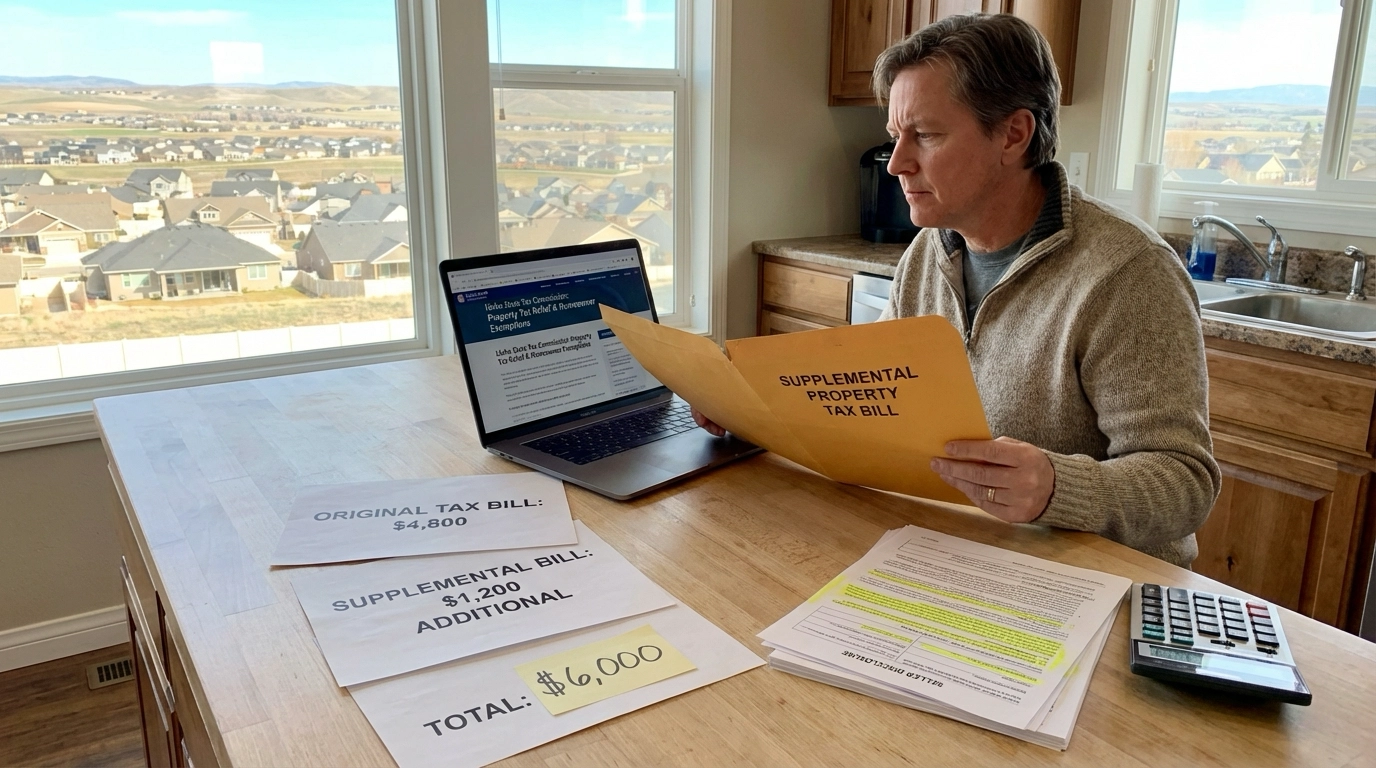
Yes—many homeowners are at risk of missing critical savings tied to Eagle Idaho property tax relief 2026, and the April 15 deadline is the key cutoff. At the same time, rising property values, supplemental tax bills from new construction, and recent local tax increases are driving up the true cost of ownership. However, those who act early can reduce their tax burden, avoid surprises, and make smarter real estate decisions in today’s Eagle Idaho market.
Summary:
Understanding the 2026 Property Tax Landscape in the Treasure Valley
For many homeowners, the Treasure Valley supplemental tax bill has become an unexpected—and often frustrating—part of owning property in Boise Idaho. While Idaho has long been perceived as a tax-friendly state, 2026 is telling a more nuanced story. Property values have surged. Meanwhile, local governments are navigating infrastructure demands, population growth, and budget pressures.
As a result, homeowners in Eagle Idaho, Boise, and surrounding communities are seeing higher tax obligations—even if their income hasn’t kept pace. Consequently, this shift is creating a sense of financial whiplash, especially for those who relocated while moving to Idaho expecting lower overall costs.
However, understanding how these taxes work—and how to plan for them—can dramatically reduce stress and improve decision-making, whether you plan to stay, sell, or invest.
What Is a Treasure Valley Supplemental Tax Bill?
A Treasure Valley supplemental tax bill is not a duplicate charge. Instead, it’s a catch-up tax applied primarily to newly constructed homes or properties that underwent significant improvements.
Here’s how it works. When a home is built or upgraded, the county assessor may not immediately reflect the full market value in that year’s standard tax bill. Therefore, once the updated value is assessed, the county issues a supplemental bill to account for the difference.
In Ada County especially, this timing lag can catch buyers off guard. For example, someone purchasing a new home in the spring may receive a standard tax bill based on land value alone. Then, months later, a supplemental bill arrives reflecting the completed structure.
That delayed adjustment is precisely why so many new homeowners feel blindsided.
Why New Construction Buyers Are Feeling the Pinch
The surge in Eagle Idaho real estate development has amplified the supplemental tax issue. Builders continue to meet demand with new subdivisions, yet the tax system hasn’t evolved to match buyer expectations.
Additionally, many buyers rely on estimated property taxes provided during closing. Unfortunately, those estimates often exclude supplemental assessments. As a result, the real cost of ownership becomes apparent only after the purchase is complete.
This is particularly common among those exploring homes for sale in Eagle Idaho, where new builds dominate inventory.
For buyers relocating from out of state, the confusion is even greater. Idaho’s supplemental system differs significantly from other states, where reassessments are typically more predictable.
Ada County vs. Canyon County: Key Timing Differences
Not all Treasure Valley counties operate identically. In fact, Ada and Canyon counties present distinct timing challenges.
Ada County often issues supplemental bills months after occupancy. Meanwhile, Canyon County—experiencing rapid expansion—may process assessments more quickly, but with equally surprising outcomes.
Therefore, understanding your county’s timeline is essential. An experienced top realtor in Eagle can help anticipate these nuances and prepare accordingly.
Moreover, these differences can influence where buyers choose to settle, particularly if they are weighing affordability against convenience.
Property Tax Relief Programs Available in 2026
Fortunately, Idaho offers several relief options. However, many homeowners either overlook them or miss critical deadlines.
The most notable program is the Property Tax Reduction (Circuit Breaker), which helps qualifying homeowners reduce their tax burden. Applications are open through April 15, 2026.
Additionally, exemptions such as the homeowner’s exemption can lower taxable value on a primary residence.
For detailed eligibility, consult the Idaho State Tax Commission.
That said, navigating these programs can feel cumbersome. Working with a best realtor in Eagle ID often provides clarity, especially when aligning tax strategies with long-term real estate goals.
What Sellers Must Disclose About Property Taxes
If you’re considering selling, transparency is not optional—it’s essential.
Sellers should disclose:
- Any pending Treasure Valley supplemental tax bill
- Recent tax increases or reassessments
- Estimated future tax obligations for new construction
Failing to disclose these details can lead to disputes or even jeopardize a transaction.
Additionally, buyers today are more informed. They frequently research Eagle Idaho real estate trends and expect accurate financial projections.
Therefore, proactive disclosure builds trust and strengthens negotiating power.
How Rising Taxes Impact Home Values and Buyer Behavior
Higher property taxes don’t just affect monthly budgets—they influence market dynamics.
For instance, rising taxes can soften demand at certain price points. Buyers may adjust their budgets downward to account for increased carrying costs.
Meanwhile, sellers in the best neighborhood in Eagle may still command strong prices. However, they must justify value with clear, transparent cost breakdowns.
Additionally, investors are becoming more selective. Cash flow calculations now incorporate projected tax increases, not just current rates.
Ultimately, taxes are no longer a secondary consideration—they’re central to every transaction.
Strategic Tips for Homeowners Considering Selling or Downsizing
If property taxes are influencing your decision, timing and preparation matter more than ever.
First, request a professional home value analysis. Understanding your equity position allows you to weigh selling against staying. You can start with a quick home value estimate.
Next, evaluate whether downsizing could reduce your tax burden. Smaller homes or different Eagle Idaho neighborhoods may offer more favorable assessments.
Additionally, consider listing before further levy increases take effect. While no one can predict policy changes with certainty, early action can provide a financial advantage.
Working with an experienced Eagle ID realtor ensures your strategy aligns with current market conditions.
What Buyers Should Ask Before Purchasing in 2026
Preparation is everything. Buyers should ask:
- Will there be a Treasure Valley supplemental tax bill?
- What is the projected full tax assessment?
- Are there exemptions or relief programs available?
Furthermore, reviewing historical tax data can reveal patterns. Sites like Ada County Assessor provide valuable insight.
Equally important, buyers should partner with a knowledgeable advisor. A seasoned professional like Chris Budka can identify red flags before they become costly surprises.
Avoiding Sticker Shock: A Simple Checklist
Before buying or selling, keep this checklist handy:
- Confirm current and projected property taxes
- Ask about supplemental assessments
- Apply for relief programs before deadlines
- Review county-specific timelines
- Factor taxes into affordability—not just mortgage payments
This proactive approach transforms uncertainty into confidence.
FAQs
What is a supplemental tax bill in Idaho?
A supplemental tax bill is an additional property tax issued when a home’s assessed value increases after the initial tax bill, often due to new construction or major improvements.
Why are property taxes rising in Eagle Idaho?
Rising home values, population growth, and increased demand for public services are driving higher property taxes across Eagle Idaho and the Treasure Valley.
Can I reduce my property taxes in Idaho?
Yes. Programs like the Property Tax Reduction and homeowner’s exemption can lower your taxable value if you qualify.
Do sellers have to disclose future tax increases?
Sellers must disclose known tax changes, including pending supplemental bills or reassessments that could affect the buyer’s costs.
How can Chris Budka help with property tax concerns?
As a trusted local expert, Chris Budka helps buyers and sellers navigate tax implications, ensuring informed and confident real estate decisions.
Bottomline
The Treasure Valley supplemental tax bill is no longer a rare occurrence—it’s a defining feature of today’s market. However, with the right guidance and preparation, it doesn’t have to derail your plans.
Whether you’re buying, selling, or simply reassessing your financial strategy, understanding how property taxes work in Eagle ID and the broader Treasure Valley is essential.
Ultimately, informed decisions lead to better outcomes. And in a market that continues to evolve, clarity is your greatest advantage.


