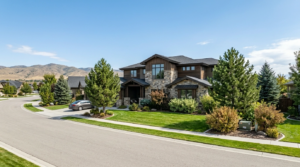


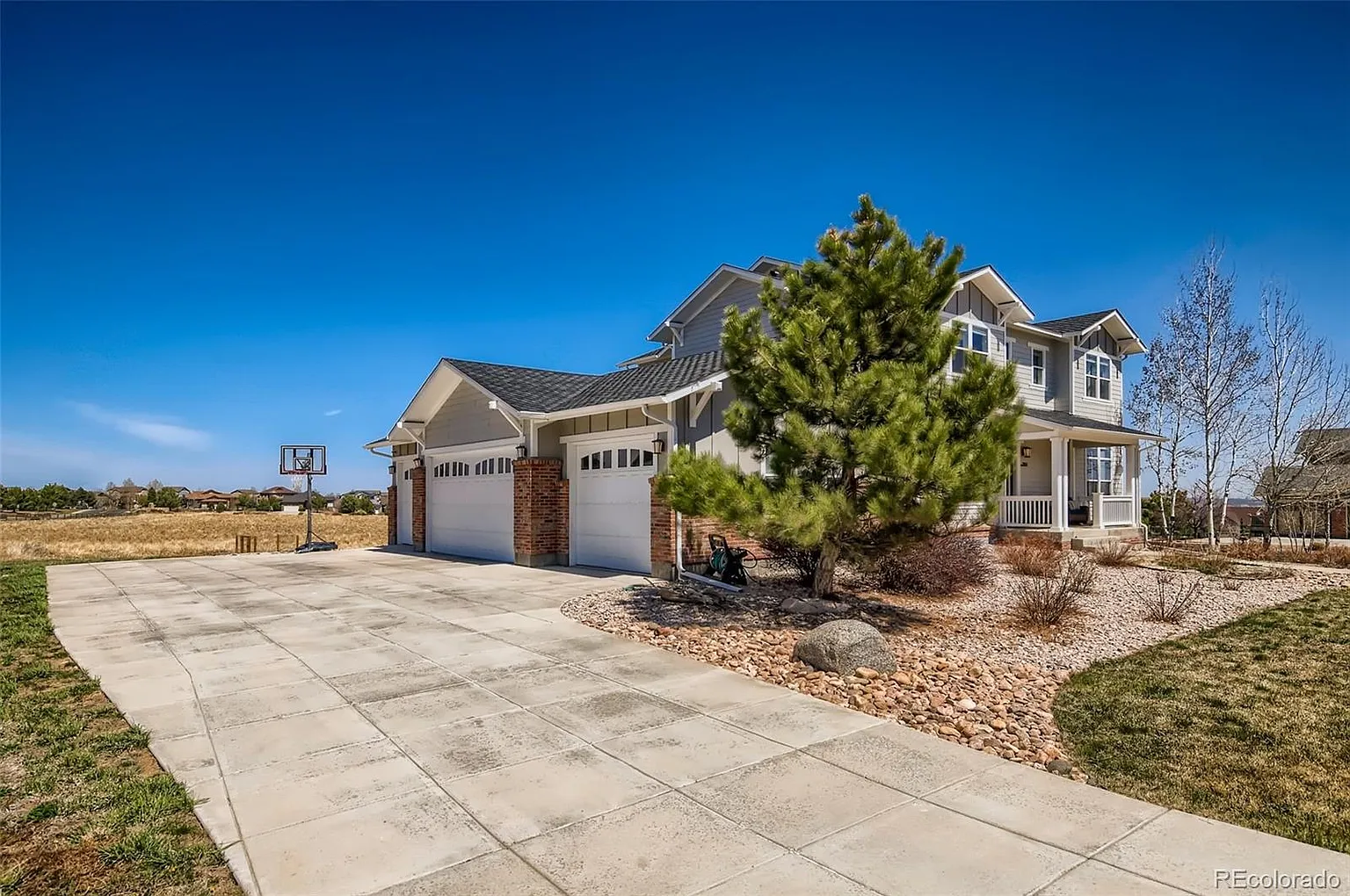
How an agent referral became a fast new-construction purchase designed around school, horses, and long-term value
This transaction began through an agent-referral network connected to a national real estate coaching organization. A Colorado real estate agent posted in the group’s private Facebook community that she and her husband were traveling to the Boise area to purchase a home. I responded quickly, scheduled time with them, and met them when they arrived at the airport.
They were not purchasing for themselves. The home would be occupied by their son and daughter-in-law while they attended medical school in Meridian. The parents wanted to give their children stable housing during school while acquiring a property that could remain a useful long-term investment.
Their requirements were practical but specific. They wanted new construction with quick availability, three or four bedrooms, more than 2,000 square feet, approximately one-quarter acre, and a purchase price below $500,000. They preferred the predictable finishes, warranty coverage, and reduced maintenance of a production-built home.
Location required more analysis than simply measuring the drive to school. The children also needed regular access to horse-boarding facilities. Their daily routine would involve traveling between home, medical school, and the horses, so the right property had to balance all three.
We researched horse-boarding options in the surrounding area and determined that Kuna offered the strongest combination of proximity, available new-construction inventory, lot size, and price. That narrowed the search and allowed us to focus on homes that could actually meet the family’s timeline.
Existing inventory from CBH Homes—formerly Corey Barton Homes—provided the solution. We found a move-in-ready property that delivered the necessary bedroom count, more than 2,000 square feet, a useful homesite, and the familiar finishes expected from a well-established production builder.
The market was active, and CBH Homes had little reason to discount the advertised price. Instead of forcing a price negotiation that was unlikely to succeed, I concentrated on improving the home’s complete move-in value.
We negotiated blinds, fencing, and rear landscaping into the purchase. Those items may appear secondary beside the contract price, but they represent real out-of-pocket costs that buyers otherwise face immediately after closing. They also allowed the children to move into a more complete and functional property without coordinating several contractors while beginning medical school.
Because the home was available inventory rather than an early-stage build, the process moved quickly. I evaluated the property and surrounding market, coordinated the builder paperwork, kept the parties informed, and managed the transaction through a closing of approximately 30 days.
There was no dramatic appraisal issue, inspection dispute, financing crisis, or threatened cancellation. The transaction worked because the search criteria were clear, the geographical decision accounted for the family’s actual routine, and the right inventory was available when the buyers arrived.
The parents successfully purchased a new Kuna home within their sub-$500,000 budget. Their children gained stable housing convenient to medical school and nearby horse facilities, while the parents acquired an asset that could later serve as a rental or another long-term investment.
Here’s what I’d want an out-of-area buyer to take from this story: location is not just a city name or commute time. It is the relationship between every place that shapes daily life. In this case, finding the right home meant balancing school, horses, budget, availability, and investment value—not simply choosing the closest house to campus.
Buying from outside Idaho for a child, family member, or investment? Let’s define how the property needs to function, then compare the location, builder inventory, incentives, and long-term use before you arrive.