

Quick Answer
A fixer upper home in Boise Idaho that has been on the market for more than 100 days isn’t automatically a bad investment. In many cases, extended time on the market creates an opportunity for buyers to negotiate a better purchase price, request seller concessions, or secure favorable terms. However, the key is understanding why the home hasn’t sold. Some properties simply need cosmetic updates, while others may have costly structural or location challenges. A thorough inspection, realistic renovation budget, and local market knowledge can help you determine whether the home is a hidden gem or an expensive mistake.
Summary
Long market times often scare buyers away, but they can also create opportunity. If you’re shopping for fixer upper homes in Boise Idaho or anywhere in the Treasure Valley, understanding why a property has lingered on the market is more important than focusing on the number of days alone. Here’s how to evaluate these homes like a smart buyer.
Should You Buy a Fixer Upper Home in Boise Idaho After 100 Days on the Market?
If you’ve been searching for fixer upper homes in Boise Idaho, you’ve probably noticed some listings that have been sitting for 100 days—or even longer. It’s natural to wonder if something is wrong with the property. However, a long time on the market doesn’t always mean you should walk away. Instead, it should encourage you to ask better questions.
In today’s Treasure Valley market, buyers have more opportunities to evaluate homes carefully rather than rushing into multiple-offer situations. Consequently, patience can work in your favor if you know what to look for.
Why Has the Home Been Sitting?
The first question shouldn’t be, “Why hasn’t anyone bought it?” Instead, ask, “Why hasn’t it sold yet?”
Sometimes the answer is simple. The seller may have priced the home too aggressively when it first hit the market. Meanwhile, comparable homes may have sold at lower prices, making this property appear overpriced.
Other times, the home may simply need cosmetic improvements such as outdated flooring, older cabinetry, worn paint, or landscaping. These issues often discourage buyers looking for move-in-ready homes but can represent value for buyers willing to invest in renovations.
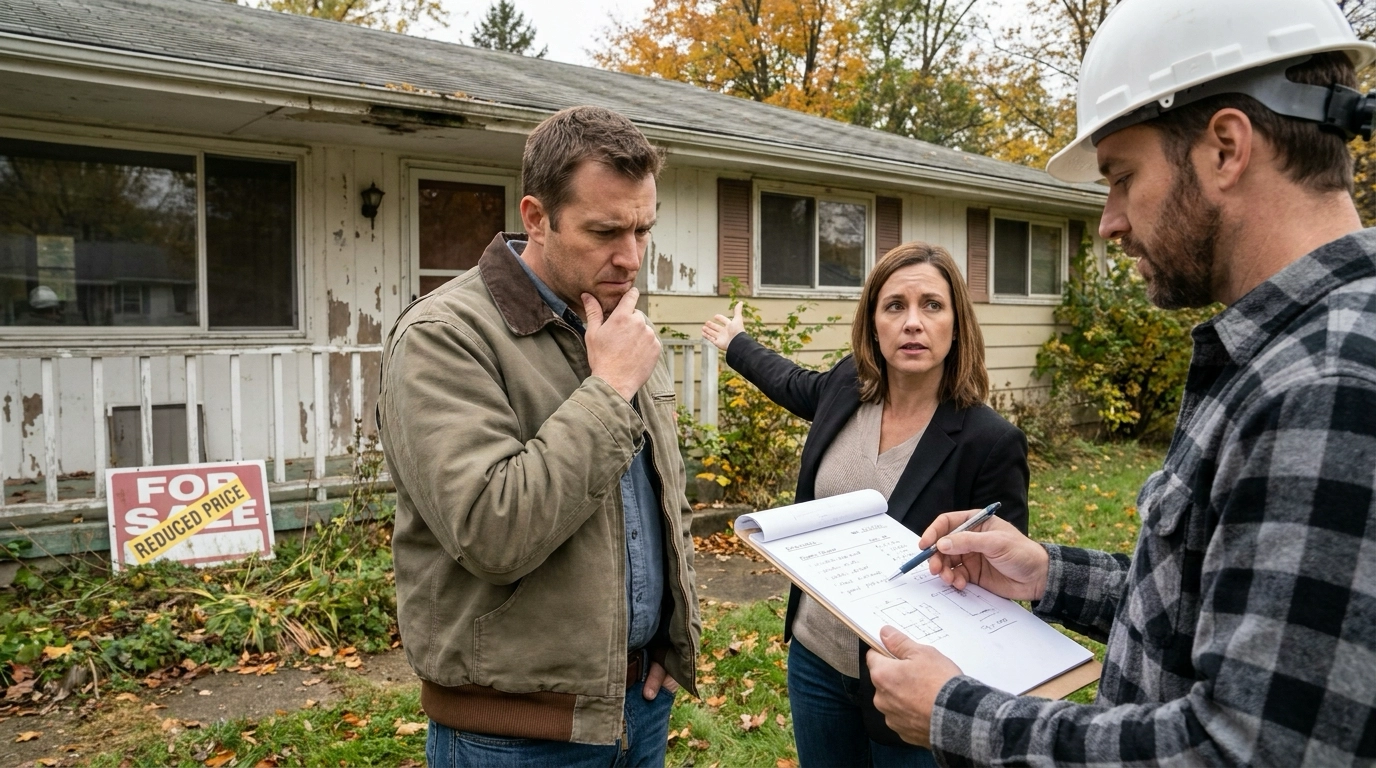
On the other hand, there may be more significant concerns such as foundation issues, roof damage, aging HVAC systems, or deferred maintenance. Therefore, it’s essential to separate cosmetic projects from expensive structural repairs before making an offer.
Look Beyond the Asking Price
Many buyers focus only on the listing price. However, the true cost of a fixer upper includes much more.
Estimate the cost of renovations before deciding what the property is worth to you. For example, replacing flooring and updating paint may cost thousands of dollars, while electrical upgrades or foundation repairs could cost significantly more.
Moreover, remember to include permits, unexpected repairs, temporary housing if needed, and a contingency fund for surprises hidden behind walls or under flooring.
The goal isn’t to find the cheapest home. Instead, it’s to find the property that offers the best long-term value after improvements are completed.
Compare the After-Renovation Value
One of the smartest strategies is comparing the home’s projected value after renovations with recently updated homes in the same neighborhood.
If renovated homes consistently sell for substantially more than your purchase price plus renovation costs, the project may make financial sense.
Similarly, neighborhoods throughout Boise, Eagle, Meridian, Star, and Kuna often contain older homes where thoughtful remodeling has significantly increased value over time.
This is why working with an experienced local REALTOR® matters. Understanding neighborhood trends is just as important as evaluating the house itself.
Use the Extra Negotiating Power
A property that’s been available for more than 100 days often gives buyers leverage.
For example, sellers may be more willing to:
- Negotiate the purchase price
- Offer closing cost assistance
- Pay for repairs
- Include appliances or personal property
- Provide credits for future improvements
However, every seller’s situation is different. Some are highly motivated, while others are simply waiting for the right offer. Consequently, researching the property’s pricing history can provide valuable clues before negotiations begin.
Never Skip the Inspection
Even if you’re planning to renovate, never assume you’ll discover every issue during a walkthrough.
A professional home inspection can uncover hidden concerns involving plumbing, electrical systems, roofing, insulation, moisture intrusion, or structural components.
Meanwhile, specialized inspections may also be worthwhile for older homes, including sewer line scopes, foundation evaluations, or pest inspections.
The inspection report doesn’t necessarily mean you should cancel the purchase. Instead, it provides valuable information to negotiate repairs or adjust your offer accordingly.
Think About Your Timeline
Buying a fixer upper requires patience.
If you’re relocating quickly or need a move-in-ready home, ongoing renovations may become stressful. However, buyers with flexible timelines often find that remodeling allows them to customize a home exactly the way they want while building equity over time.
Likewise, investors frequently look for homes that have been overlooked by the market because they recognize opportunities where others see inconvenience.
Treasure Valley Buyers Have More Options
The Treasure Valley market continues to evolve. Consequently, buyers often have more inventory to choose from than they did during the peak of the competitive market.
That means you don’t have to settle for the first fixer upper you find. Instead, compare multiple properties, request detailed repair estimates, and evaluate each home’s potential carefully.
A home that’s been sitting for 100 days may simply be waiting for the buyer who recognizes its possibilities.
Bottom Line
Buying fixer upper homes in Boise Idaho that have been on the market for more than 100 days can be an excellent opportunity—but only if you evaluate the property objectively. Focus on the reason it hasn’t sold, calculate renovation costs realistically, obtain professional inspections, and compare the home’s potential value with similar renovated properties nearby.
When you combine careful analysis with local market expertise, you can identify homes that offer exceptional value while avoiding costly surprises. In many cases, the best opportunities aren’t the newest listings—they’re the ones other buyers overlooked.
Frequently Asked Questions:
Is buying a fixer upper home in Boise Idaho after 100 days on the market a good idea?
Yes, buying a fixer upper home in Boise Idaho after it has been on the market for more than 100 days can be a smart decision if you understand why it hasn’t sold. In many cases, homes remain listed because they were initially overpriced or need cosmetic updates that discourage buyers looking for move-in-ready properties. However, you should always review comparable sales, estimate renovation costs, and schedule a professional home inspection. In the Treasure Valley market, a longer listing period often creates opportunities for stronger negotiations and better overall value.
Why do fixer upper homes stay on the market longer?
Fixer upper homes often remain available because many buyers prefer homes that require little or no work after closing. Older kitchens, outdated bathrooms, worn flooring, and deferred maintenance can reduce buyer interest. Additionally, some homes are priced too high for their condition, causing them to sit on the market. In Boise and throughout the Treasure Valley, buyers who are willing to renovate can often benefit from less competition and greater negotiating power when purchasing these properties.
How much should I budget for renovations on a fixer upper?
The answer depends on the home’s condition and your renovation goals. Cosmetic improvements like paint, flooring, lighting, and landscaping are generally more affordable than major structural repairs involving the roof, foundation, plumbing, or electrical systems. A good rule is to obtain contractor estimates before making an offer and include a contingency fund for unexpected expenses. Buyers considering fixer upper homes in Boise Idaho should also account for permit costs, inspection fees, and any temporary living expenses if renovations are extensive.
Can I negotiate a better price on a home that’s been listed for over 100 days?
Yes, homes that have been on the market for more than 100 days often present excellent negotiation opportunities. Sellers may be more willing to reduce the purchase price, offer closing cost assistance, provide repair credits, or include appliances and other personal property. Every seller’s motivation is different, so it’s important to review the property’s price history and market activity before submitting an offer. Working with an experienced local real estate professional can help you determine a competitive offer that reflects the home’s true condition and market value.
What should I inspect before buying a fixer upper in the Treasure Valley?
A comprehensive home inspection is essential before purchasing any fixer upper. Start with a general home inspection, then consider additional evaluations for the roof, foundation, sewer line, HVAC system, electrical components, and pest activity if recommended. These inspections help identify hidden issues that may not be visible during a showing and allow you to make informed decisions before closing. For buyers of fixer upper homes in Boise Idaho, understanding repair costs upfront can prevent expensive surprises and ensure the investment aligns with your long-term financial goals.