
If you’re preparing to sell in Eagle Idaho, understanding insurance hurdles before closing in Eagle Idaho is no longer optional—it’s essential. In fact, insurance-related delays have quietly become one of the most common transaction disruptors in 2026. Consequently, sellers are discovering that even a strong offer can unravel if coverage falls apart days before closing.
Meanwhile, view properties in the foothills, acreage parcels near the Boise River, and rural estates on the outskirts of town are seeing heightened scrutiny from carriers. Buyers are stressed. Sellers are blindsided. Lenders are cautious.
However, with the right preparation—and guidance from a top realtor in Eagle—these obstacles can be anticipated and resolved before they jeopardize your sale. Below is what every homeowner needs to know before handing over the keys.
Why Insurance Delays Are Increasing in 2026
Across the country, insurance carriers have tightened underwriting standards. Idaho is no exception. According to the Idaho Department of Insurance, carriers are reassessing wildfire exposure zones, roof conditions, and replacement costs.
In Eagle ID, foothill communities with panoramic views are particularly affected. For example, homes bordering open space or sagebrush reserves may trigger wildfire risk reviews. Similarly, older roofs or custom builds can require specialty coverage.
Additionally, construction costs remain elevated. The National Association of Realtors continues to report that replacement cost inflation is impacting homeowner premiums nationwide. Therefore, insurers are scrutinizing rebuild estimates more closely than ever.
As a result, insurance hurdles before closing in Eagle Idaho are surfacing late in the escrow timeline—sometimes just days before signing.
The Properties Most at Risk for Insurance Issues
Not every home faces the same scrutiny. However, certain types of Eagle ID homes are more vulnerable to insurance delays:
-
Foothill or view properties near wildfire interface zones
-
Rural or semi-rural estates with private wells and septic systems
-
Homes with roofs older than 15–20 years
-
Luxury or custom builds with high rebuild valuations
-
Properties with prior claims history
For instance, a hillside property in a desirable Eagle Idaho neighborhood may attract multiple offers. Yet if a buyer cannot secure affordable coverage, the transaction can stall. Consequently, sellers must think ahead—even before listing.
Step-by-Step: How to Prevent Insurance Hurdles Before Closing in Eagle Idaho
Preparation is the antidote to panic. Here’s how to stay ahead of the curve.
1. Review Your Current Policy Before Listing
First, request a copy of your existing homeowner’s policy. Confirm coverage limits, roof age documentation, and prior claims history.
If you’ve replaced your roof recently, gather receipts. If mitigation work was done—such as defensible space landscaping—document it. These details can reassure a buyer’s insurer.
Moreover, proactive disclosure builds confidence during escrow.
2. Order a Pre-Listing Inspection
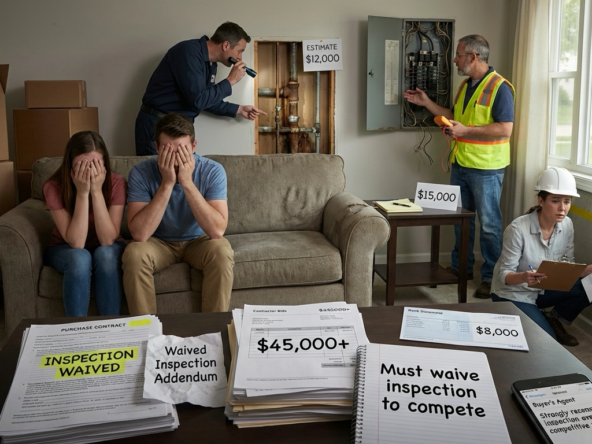
Although not required, a pre-listing inspection can reveal red flags early. For example, minor roof damage or outdated electrical panels may prompt insurance objections later.
Addressing issues upfront often costs less than renegotiating under pressure. Therefore, this step protects both timeline and leverage.
3. Provide Roof Certification if Needed
In 2026, roof condition is a primary underwriting trigger. If your roof is nearing 20 years, consider a professional certification.
Buyers frequently encounter last-minute insurance denials over roof age alone. However, documentation showing 5–7 years of remaining life can resolve the concern quickly.
4. Anticipate Wildfire Risk Questions
Many carriers now evaluate proximity to open land and fire response access. Sellers in foothill communities should:
-
Clear brush near structures
-
Trim tree limbs away from roofs
-
Maintain proper vent screening
According to the National Interagency Fire Center, defensible space dramatically reduces wildfire risk. Consequently, visible mitigation can positively influence underwriting.
5. Encourage Early Insurance Quotes
Once under contract, advise buyers—through your agent—to begin insurance applications immediately.
Waiting until the final week of escrow is risky. Instead, buyers should secure preliminary approval during their inspection contingency period.
This is precisely where working with a seasoned Eagle ID realtor makes a difference. Coordination matters.
When to Involve Your Real Estate Agent
Insurance hurdles before closing in Eagle Idaho often require delicate negotiation. Therefore, your agent should step in when:
-
The buyer receives a conditional approval requiring repairs
-
The premium exceeds lender debt-to-income limits
-
Coverage is denied outright
At that point, solutions may include repair credits, roof replacement negotiations, or connecting buyers with alternative carriers.
An experienced best realtor in Eagle ID understands local underwriting patterns. Consequently, proactive communication with lenders and insurance brokers can salvage a deal.
How Insurance Delays Affect Your Net Proceeds
Insurance complications don’t just delay closing—they can impact your bottom line.
Consider a $485,000 sale in today’s Eagle Idaho real estate market. After commissions, title fees, escrow charges, and prorated taxes, a seller might net approximately $452,000. However, if insurance negotiations lead to a $10,000 roof concession, your proceeds shrink further.
Understanding total closing costs is critical. The Consumer Financial Protection Bureau provides breakdowns of standard settlement charges, which remain consistent across Idaho.
Therefore, planning for potential insurance-related concessions protects expectations.
If you’re unsure about your estimated proceeds, reviewing current homes for sale in Eagle Idaho can provide market context before pricing strategically.
Why View and Rural Properties Require Extra Attention
Eagle’s allure often lies in its vistas and open space. Yet ironically, those same features can complicate underwriting.
Properties near the foothills, river corridors, or agricultural land may face:
-
Limited carrier availability
-
Higher deductibles
-
Wildfire or wind exclusions
Additionally, rural homes with private wells may trigger separate inspections. According to Realtor.com, rural property insurance policies frequently carry specialized clauses.
For sellers, transparency is powerful. Provide well test reports, septic service records, and maintenance documentation early in escrow. Consequently, surprises diminish.
The Role of Pricing Strategy in 2026
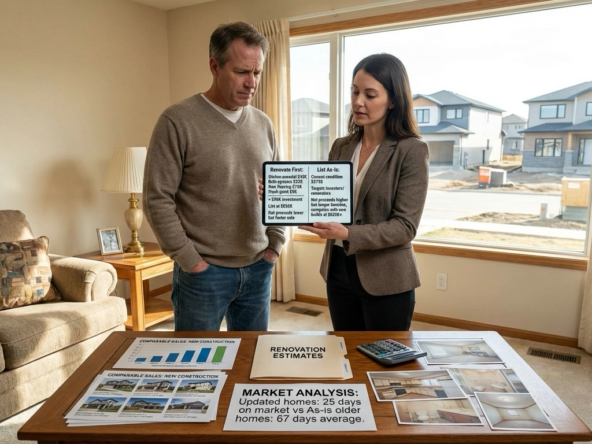
Insurance scrutiny is one reason accurate pricing matters more than ever. Overpricing leaves little room for repair credits. Conversely, strategic pricing generates competitive tension and negotiation flexibility.
Before listing, evaluate current Eagle ID homes for sale and absorption rates in your specific Eagle Idaho neighborhood. Additionally, broader trends in Boise Idaho influence buyer demand across the Treasure Valley.
If you’re moving to Idaho from another state, it’s equally important to understand how regional insurance norms differ. Idaho’s market is distinct, and expectations must align.
Connecting Insurance Hurdles to Broader Closing Costs
Insurance hurdles before closing in Eagle Idaho are rarely isolated events. Instead, they intersect with appraisal values, lender conditions, and inspection findings.
For example, if an appraisal comes in at value but insurance demands roof replacement, renegotiation begins. However, if both appraisal and insurance present issues, momentum can evaporate.
Therefore, preparation across all fronts is essential:
-
Clean inspection report
-
Solid appraisal support
-
Early insurance underwriting
-
Clear communication between agents and lenders
Working with Chris Budka and Chris Budka Real Estate ensures these moving parts are coordinated. Consequently, sellers maintain leverage and clarity.
How Sellers Can Reduce Buyer Stress
A smooth transaction isn’t accidental—it’s orchestrated.
Provide documentation early. Address visible concerns. Maintain flexibility. Meanwhile, rely on a professional who understands the nuance of Eagle Idaho real estate.
Insurance hurdles before closing in Eagle Idaho may be rising, but panic is unnecessary. With preparation and guidance from a trusted Eagle ID realtor, most issues can be resolved efficiently.
Ultimately, the goal is not just closing—it’s closing confidently.
FAQs
Why are insurance hurdles before closing in Eagle Idaho more common now?
Insurance carriers have tightened underwriting due to wildfire risk, rising rebuild costs, and stricter roof-age policies. Consequently, buyers are facing additional approval steps that didn’t exist a few years ago.
Can a buyer back out if they can’t get insurance?
Yes, in many cases insurance approval is tied to financing contingencies. Therefore, if coverage is denied and alternatives aren’t available, a buyer may have the right to terminate.
Should I replace my roof before listing?
Not always. However, if your roof is near 20 years old, a pre-listing inspection can help determine whether replacement or certification is wiser.
How does insurance impact my final net proceeds?
If repairs or credits are required, your net can decrease. For example, a $10,000 concession on a $485,000 sale meaningfully affects your take-home amount.
How can Chris Budka help avoid delays?
By anticipating underwriting concerns, coordinating with lenders, and guiding negotiation strategy, Chris Budka helps sellers navigate insurance hurdles before closing in Eagle Idaho with confidence.
Bottomline
Insurance hurdles before closing in Eagle Idaho are a growing reality in 2026. However, preparation transforms obstacles into manageable checkpoints. Review your policy. Address roof concerns. Encourage early buyer underwriting.
Most importantly, partner with a knowledgeable professional who understands the nuances of Eagle Idaho and the broader Treasure Valley market. With the right strategy, you can protect your timeline, your equity, and your peace of mind.