

Quick Answer: Selling an older home in Eagle, Idaho starts with one honest decision: fix it up or sell it as-is. Get a pre-listing inspection, price the house for its true condition, disclose the well and permit details, and clear out the clutter. With the right plan, even a dated home can still command a strong number in today’s balanced Treasure Valley market.
Blog Summary: Older Eagle homes often need work, and sellers win by knowing exactly what they are offering. This guide walks through the renovate-versus-as-is decision, the value of a pre-listing inspection, condition-based pricing, well and permit disclosures, and simple prep that helps a tired house shine before it hits the market.
Weigh Renovating Against Selling As-Is
Every older Eagle home carries some deferred maintenance, and buyers notice it fast. Therefore, your first big decision is whether to renovate or sell as-is. Renovating can lift your final price, yet it also ties up cash and time you may not have. Selling as-is, meanwhile, moves faster and appeals to investors and hands-on buyers. Ultimately, the right answer depends on your budget, your timeline, and the scale of the projects. For example, fresh paint and updated fixtures usually pay off, while a full kitchen gut rarely returns every dollar. The National Association of REALTORS® tracks the payback on common remodeling projects, and the numbers swing widely by scope. Focus on the fixes Eagle buyers actually reward. New paint, clean flooring, and a serviced furnace read as move-in ready. Big custom choices, by contrast, often please you more than the market.
Start With a Pre-Listing Inspection
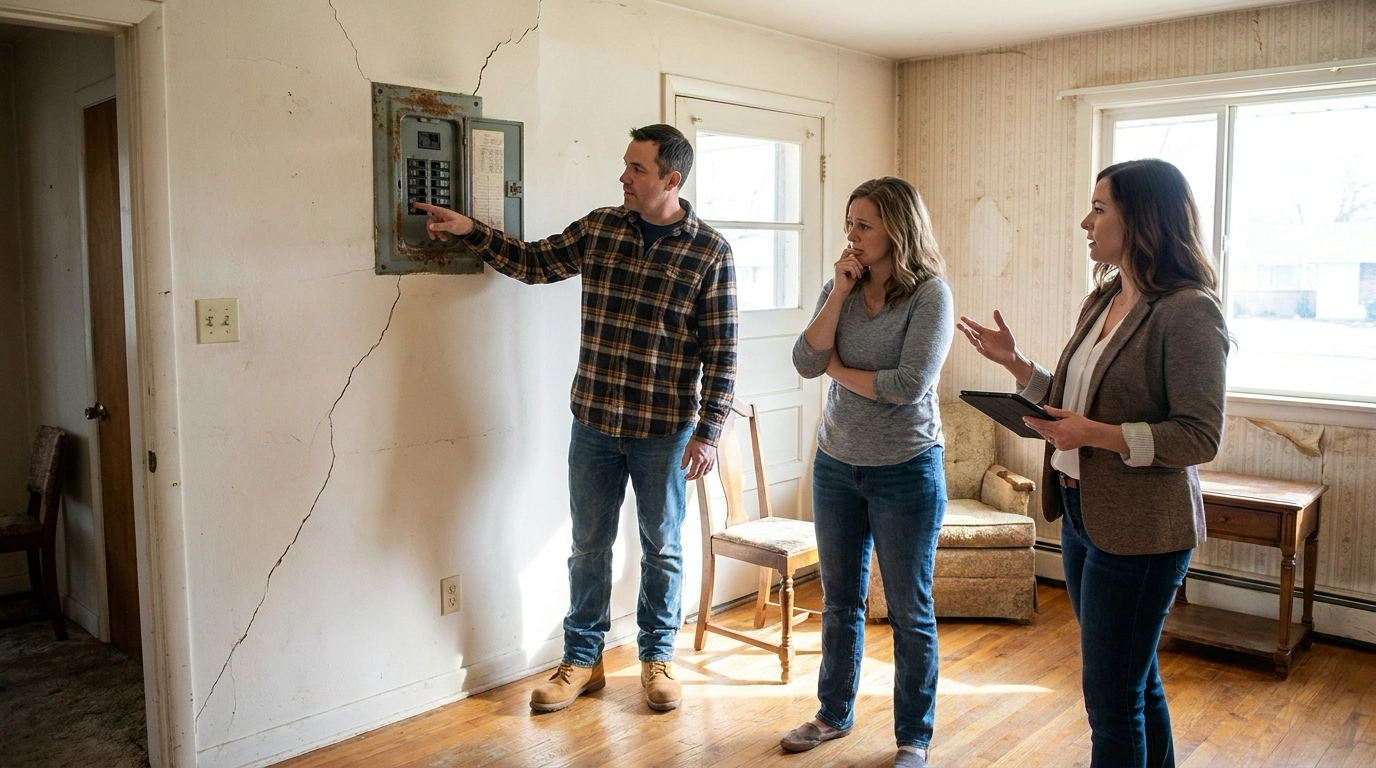
Before you list, order a pre-listing inspection so you know precisely what you are selling. Consequently, you sidestep nasty surprises when the buyer’s inspector shows up. An aging roof, worn cinder-block piers, tired decking, or a loud water pump can all surface during due diligence. Instead of scrambling mid-contract, you get to choose which items to fix and which to disclose. Moreover, having answers ready builds trust, and confident buyers write stronger offers. In a trickier sale with plenty of variables, that preparation quietly protects your bottom line.
Price for Condition, Not Potential
Sellers love to price for the dream, but buyers pay for reality. So set the right asking price around the home’s current condition, not the renovated version in your head. Recent reporting puts Eagle’s median sale price in the high-$700,000s, with homes taking roughly two months to sell in a fairly balanced market. However, dated homes linger when they carry updated-home prices. Watch the first two weeks closely, because that window sets the tone. If showings arrive but offers do not, the price is usually the message. If you sell as-is, bake the projects into the number so the deal stays attractive to buyers weighing a remodel. You can also confirm your assessed value through the Ada County Assessor and study comparable listings on Realtor.com before you commit. A price that sits too long forces cuts, and repeated reductions can spook the very buyers you want.
Handle Well Water, Septic, and Permits Early
Many older properties around Eagle sit on well water or a private septic system, which reshapes the disclosure picture. As a result, buyers will ask how the well was maintained and when it last got serviced. The Idaho Department of Environmental Quality recommends testing private wells for bacteria and nitrate at least once a year. Similarly, any added room or converted workspace needs verified permits, so check the records with the City of Eagle before you market that square footage as finished. Unpermitted additions can shrink usable footage and even stall a buyer’s financing. Older parcels can also carry title quirks, easements, or shared irrigation rights. So gather your well logs, septic records, and past permits in one folder now. Finally, limbs hanging over the roof and gaps near gable vents invite pests, so trim and seal them well before showings begin.
Clear the Clutter and Create a Clean Canvas
A packed house hides its best features, and a lifetime of belongings rarely helps the sale. Instead, empty the rooms, pull the yard statues, and let each space feel open and neutral. In short, a clean canvas lets buyers picture their own life inside the walls. Eagle keeps drawing newcomers, and U.S. Census data shows steady population growth across the Treasure Valley. Consequently, well-presented homes still compete strongly, even the older ones. Curb appeal matters just as much. Trim the lawn, refresh the entry, and fix a leaning fence panel. If clearing everything out feels overwhelming, a trusted top realtor in Eagle can line up movers, haulers, and cleaners to handle the heavy lifting.
Frequently Asked Questions
Should I renovate my Eagle home before selling or sell it as-is?
It depends on your budget, your timeline, and the size of the projects. Renovating an older Eagle home can raise your final sale price, but it also ties up cash and adds weeks or months before you list. Selling as-is moves faster and appeals to investors and hands-on buyers, though you will usually price lower to reflect the work involved. As a rule, light cosmetic updates like paint, flooring, and fixtures tend to pay off, while major remodels rarely return every dollar in the current Treasure Valley market. The smartest move is to run the numbers both ways with a local agent before committing to either path.
How much less does an as-is home sell for in Eagle, Idaho?
There is no fixed discount, because the gap depends on how much work the home needs and what comparable updated homes are fetching. In Eagle’s balanced 2026 market, where the median sale price sits in the high-$700,000s, a dated or as-is home typically sells below a renovated comparable by roughly the cost of the needed repairs, plus a margin for the buyer’s risk and effort. Buyers mentally tally new flooring, paint, roofing, or systems, then subtract that from what they will offer. Pricing an as-is home realistically from day one usually nets more than starting high and cutting later, since long days on market invite lowball offers.
Is a pre-listing inspection worth it when selling an older home?
Yes, a pre-listing inspection is one of the best investments an older-home seller can make. It reveals issues with the roof, foundation, plumbing, well, or electrical before a buyer’s inspector finds them, which keeps you in control of the negotiation. With the report in hand, you can repair what makes sense, disclose the rest, and price accordingly, all of which reduces the risk of a deal collapsing mid-contract. Buyers also trust a seller who offers documentation up front, and that confidence often translates into stronger, cleaner offers. For an older Eagle home full of unknowns, the modest inspection fee frequently pays for itself several times over.
What do I have to disclose about well water or septic when selling in Eagle?
Idaho requires sellers to disclose known material defects, which includes the condition of a private well or septic system. If your Eagle property runs on well water, buyers will want service history, recent test results, and any pump or tank repairs, since private wells are not monitored like public systems. For septic, gather pumping and inspection records. While Idaho does not mandate routine well testing, the Idaho Department of Environmental Quality recommends testing for bacteria and nitrate annually, and many lenders require a clean test before closing. Being transparent and organized about these systems prevents financing delays and builds trust with buyers evaluating an older or rural property.
How long does it take to sell an older home in Eagle, Idaho?
Most Eagle homes are taking roughly two months to sell in the current balanced market, though condition and pricing swing that number significantly. Updated, well-priced homes can go under contract in a couple of weeks, while dated homes priced like renovated ones can sit far longer. An older home that needs work is not doomed to a slow sale; it simply needs an accurate price, honest disclosures, and clean presentation to compete. Clearing clutter, addressing obvious safety items, and marketing to the right buyer pool all shorten the timeline. Working with a local agent who knows the Treasure Valley helps you position the home to sell without leaving money on the table.
Bottom Line
Selling an older home in Eagle, Idaho comes down to clarity and strategy. Know the true condition, price it honestly, disclose the well and permits, and present a clean space. Do those things, and even a fixer can pull solid offers in the Treasure Valley. When you are ready, reach out to Chris Budka Real Estate at +1-208-745-2895 for a plan built around your home and your timeline.