

How extensive preparation, unconventional valuation, and relentless follow-up sold a neglected one-acre Boise property for the full $720,000 asking price.
This family found me through Google with a property that did not fit neatly into any standard listing category. Their parents had recently moved into assisted living and were both receiving memory care. The family home needed to be sold, but the transaction involved a substantial estate, trust-related requirements, and two sons serving as the parents’ representatives from different states.
I worked primarily with one son, who lived in Minnesota, while his brother lived in Denver. I met him at the property a couple of times, but most of the planning and decision-making had to happen remotely. He was a busy business owner trying to manage his parents’ affairs from across the country. What he needed was someone in Boise who could do far more than recommend a price—he needed local judgment, dependable vendors, and hands-on coordination.
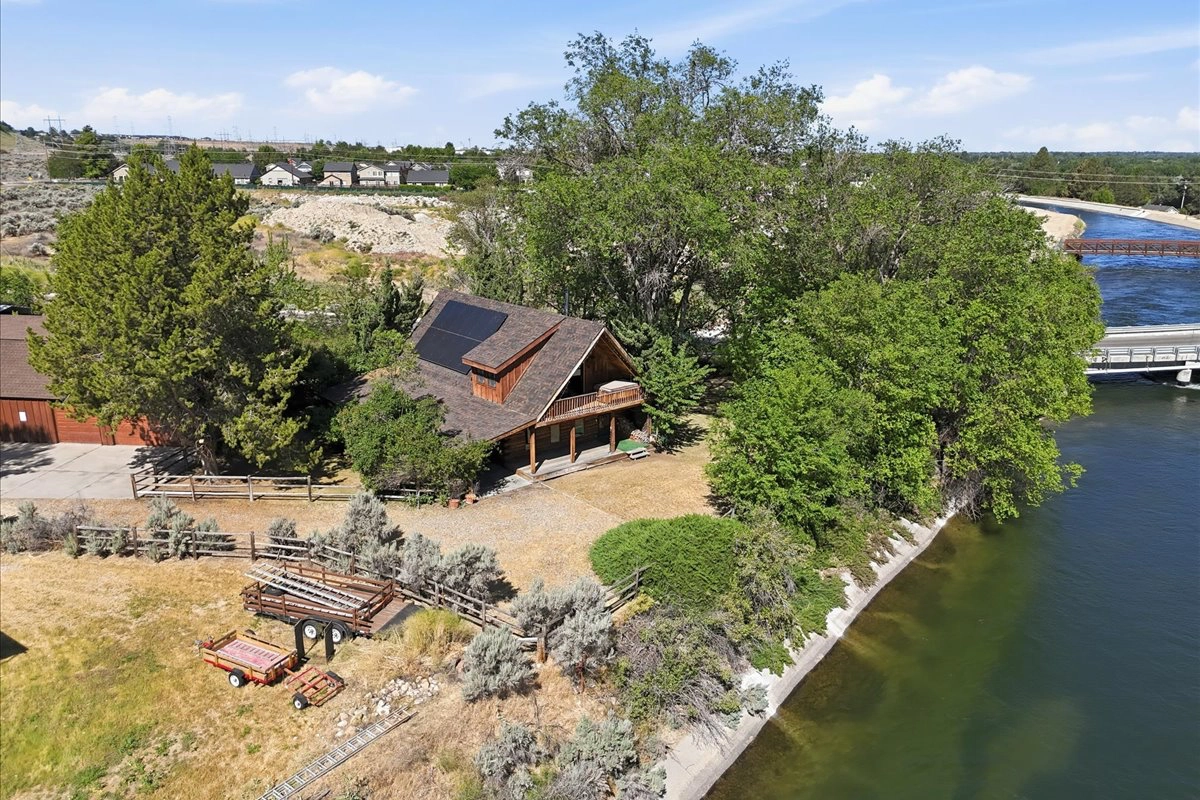
The property was a true Southeast Boise unicorn: a 1970s log home on approximately one acre, along with a large two-story shop. Most of the surrounding area had been divided and developed over time, leaving almost no comparable acreage properties nearby and virtually no similar log homes. The land and shop gave the property real appeal, but the house was extremely dated and the entire estate had suffered from years of deferred upkeep.
The family understood that this would be an as-is sale. Renovating the home was neither practical nor the goal. But selling as-is did not mean presenting it at its worst. We began planning during the winter and used the months before the spring launch to determine what could be improved without pretending the property was something it was not.
When spring arrived, I helped coordinate the cleanup. The family needed house cleaners, window cleaners, landscapers, and hauling services, so I supplied reliable vendor options and helped manage the work. The first contractor hired to tackle the acreage committed to the project and then failed to perform, forcing us to regroup quickly and locate another company.
The replacement crew began cutting back years of overgrown grass, trees, bushes, and scrub. As they cleared the acreage, they discovered another layer of the problem: batteries, chemicals, tires, engines, and other discarded items had been stored beneath the vegetation throughout the property. Landscaping had to pause while we brought in a separate hauling company to remove the debris. Only then could the crew finish cleaning and manicuring the grounds.
The work cost the estate thousands of dollars, but it changed how buyers could perceive the opportunity. Instead of being overwhelmed by brush, junk, and neglect before they ever considered the land, buyers could finally see the acreage, the shop, the setting, and the potential. We did not renovate the cabin; we removed enough distraction to let the property’s redeeming qualities come forward.
Pricing required an equally unconventional approach. There were no meaningful log-cabin comparables within the typical radius an appraiser or agent would prefer. I expanded the research well beyond Southeast Boise. One usable sale was located in the broader Boise area, while other relevant log-home comparisons required looking as far away as Garden Valley and roughly 60 miles from the property. I combined that broader data with local land value, the shop, the condition, and current buyer demand to establish a defensible position.
We launched at $720,000 and built the marketing around the qualities that could not be duplicated easily: approximately one acre in Southeast Boise, the log construction, and the large two-story shop. I used professional photography, Zillow Showcase, extensive drone stills, drone video, and original social-media content. A polished interior fly-through would not have served this particular house, so I focused the visual marketing on the land, structures, scale, and potential.
The response was immediate. We generated at least 20 showings in the first two days. Neighbors watched the traffic coming and going and contacted me because they were amazed by the level of activity. The campaign did more than attract buyers; it demonstrated what thorough marketing could do for a difficult property, and it directly led to another listing opportunity.
We accepted an early offer, but the first buyer got cold feet and withdrew. He wanted the property badly from a distance, then realized the amount of work involved was more than he wanted to take on. A failed contract can be especially damaging on an unusual as-is property because buyers may assume that something new and terrible was discovered.
But we already had an advantage: approximately 19 other agents whose clients had shown interest. I immediately went back to them, explained that the property was becoming available again, and asked who still wanted the opportunity. That follow-up brought another buyer back through the home and produced a second offer at the full $720,000 asking price.
The replacement buyer completed an inspection for informational purposes only and did not ask the estate to make repairs. That protected the as-is structure the sellers needed. It also gave the buyer the opportunity to understand the project before moving forward, reducing the risk of another surprise negotiation.
Even then, the transaction was not secure. During the title process, we discovered a small additional parcel that a neighbor had previously deeded to the parents. That ownership issue had to be researched and resolved as part of the estate sale. The trust documentation and the authority of the sons acting for parents in memory care also had to be handled correctly.
The appraisal created another serious hurdle. With so few nearby comparable properties, supporting the value was never going to be simple. After the appraisal was completed, the lender’s review team disagreed with parts of it and conducted additional comparable-sales analysis. I stayed heavily involved with the buyer’s agent and lending team, supplied context for the property and market, and helped keep the process moving until the underwriter accepted the final valuation and approved the loan.
This transaction had numerous opportunities to fall apart: absent owners, memory-care and trust requirements, extensive cleanup, a contractor who failed to perform, hidden debris across the acreage, no conventional comparable sales, a first buyer who withdrew, an overlooked parcel, and an appraisal that drew lender scrutiny. Each problem required a different response, but none was allowed to stop the sale.
The property ultimately closed at the full $720,000 asking price. The estate made no post-inspection repairs, and the family successfully converted a neglected, highly unusual property into a strong financial result for their parents without either out-of-state son having to manage every Boise detail himself.
Here’s what I’d want any seller to take from this: unusual properties are not sold by forcing them into the same formula used for every other house. They require wider research, selective preparation, marketing that emphasizes what cannot be replicated, and an agent who keeps working after the first contract fails. Sometimes the difference between an expired opportunity and a full-price closing is the willingness to coordinate the messy work, defend the value, and follow up with every buyer who showed interest.
Selling an estate property, acreage home, or one-of-a-kind house in Boise or elsewhere in the Treasure Valley? Let’s identify what makes it valuable, prepare it strategically, and build a plan for the complications before they threaten the closing.