
Buying a home in Eagle Idaho built before 2005 requires a balanced blend of due diligence, local understanding, and confidence in the Treasure Valley market. Eagle’s earlier construction eras—especially the late 1990s to early 2000s—produced some of the most charming and well-established neighborhoods in the city. Yet, like any home that has weathered two decades of Idaho seasons, it’s important to know precisely what to evaluate to make a smart, secure purchase. As a top realtor in Eagle, I guide buyers every day through these nuanced considerations so they feel empowered, informed, and ready to plant roots in one of Idaho’s most desirable communities.
Eagle Idaho homes for sale in Eagle Idaho built pre-2005 offer character, mature landscapes, and larger lots—attributes increasingly rare in newer subdivisions. But before signing a contract, here’s what you should inspect carefully.
What Should You Look for in the Home’s Structural Components?
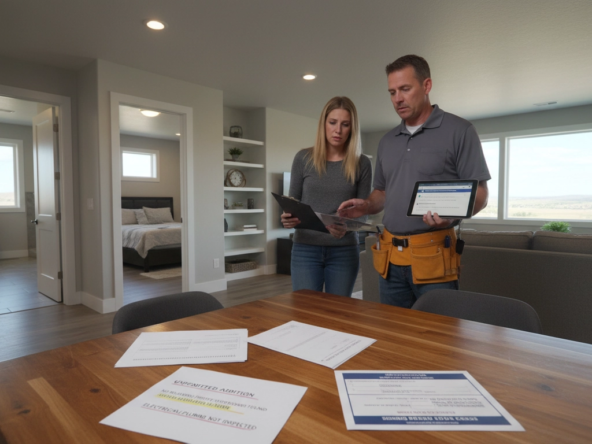
Homes built before 2005 in Eagle often feature robust construction, yet structural elements naturally evolve with age. Start by examining the foundation for settlement cracks, moisture intrusion, or uneven flooring—common symptoms that require further structural engineering review. The Treasure Valley’s fluctuating temperatures can put cyclical stress on older foundations, especially in areas near the Boise River where the water table can be higher.
Roof quality is equally essential. Many homes from this period used architectural shingles designed to last around 20–25 years. If the roof hasn’t been updated recently, factor replacement costs into your negotiation. A roof inspection can reveal granule loss, flashing deterioration, or ventilation issues that may shorten the roof’s remaining lifespan.
Older framing techniques were often excellent during the early 2000s, but warped trusses, sagging soffits, or compromised load-bearing points can surface over time. A seasoned Eagle ID realtor will ensure you obtain the right inspections to safeguard your investment.
How Important Is the Condition of the Electrical and Plumbing Systems?
The early 2000s marked an era of transitional building standards. While most Eagle Idaho homes built before 2005 followed safe practices, electrical panels may now be outdated. Look for undersized panels (100-amp rather than 200-amp), double-tapped breakers, and dated aluminum wiring—rare, but worth noting.
Plumbing components require equal scrutiny. Polybutylene piping was phased out by the late 1990s, yet some homes underwent partial remodels that still include segments of it. Hard water in Boise ID and Eagle ID can lead to mineral sediment in water heaters or reduced water pressure in older supply lines. Inspect water heaters for age, anode rod wear, and compliance with current safety codes.
These structural and system evaluations help you negotiate confidently and anticipate long-term maintenance costs.
Are There Energy Efficiency Issues to Be Aware Of?
Energy standards have evolved significantly since 2005. Many older homes in Eagle Idaho have single-pane or early-generation double-pane windows that no longer insulate effectively. Look for fogging between panes, drafty frames, or aging caulking.
Insulation standards were also lower two decades ago. Attic insulation may be thin, uneven, or compressed. Walls may have early fiberglass batts that degrade over time. A home energy audit provides insights into potential utility savings—especially valuable for Idaho winters and scorching summer afternoons.
Upgrading HVAC systems is one of the greatest opportunities for improving efficiency. If the furnace or air conditioning unit is original to the home, replacement may be imminent. Modern systems not only reduce energy consumption but dramatically enhance comfort and air quality.
For reference on energy upgrade benefits, explore credible resources like:
What About the Home’s Exterior and Landscaping?
One of Eagle’s signature features is lush landscaping—mature trees, expansive lawns, and charming irrigation setups tied to local community water systems. Homes built before 2005 often sit on generous lots in some of the best neighborhoods in Eagle, such as Brookwood, Lexington Hills, or the early phases of Eagle Hills West.
But aging landscapes can introduce challenges. Inspect irrigation systems for leaks, outdated timers, or cracked PVC. Tree root systems may interfere with sidewalks, driveways, or even sewer lines. Exterior paint and siding should be evaluated closely. Wood siding may show signs of rot, peeling, or moisture exposure; stucco may develop hairline cracks; and older vinyl siding can warp under Idaho’s intense sun.
A thorough exterior review ensures you’re not blindsided by deferred maintenance after closing.
Are There HOA or Community Considerations to Keep in Mind?
Many pre-2005 neighborhoods in Eagle Idaho have established HOA structures, some with long-standing guidelines reflecting the community’s original identity. Before buying, review CC&Rs carefully. Some HOAs may have older landscaping requirements, architectural controls, or irrigation management that differ from newer subdivisions.
Ask about:
-
Upcoming assessments
-
Common area maintenance plans
-
Reserve funds
-
Long-term community improvement projects
A strong HOA often signals a well-preserved neighborhood with stable property values—important when investing in Eagle Idaho real estate.
How Do You Assess Market Value in Older Eagle Neighborhoods?
Homes built before 2005 vary widely in condition, updates, and lot appeal. The Treasure Valley market rewards properties that showcase tasteful renovations, updated systems, and high-demand locations. As a best realtor in Eagle ID, I regularly analyze hyper-local trends to help clients determine whether a pre-2005 home is priced competitively.
Key value factors include:
-
Proximity to Eagle’s downtown village
-
Access to Boise River Greenbelt trails
-
Location within award-winning school zones
-
Lot size and privacy
-
Recent comparable sales within micro-neighborhoods
Older homes in Eagle often outperform newer builds in long-term appreciation due to land scarcity and neighborhood character.
What Renovations Add the Most Value to Pre-2005 Homes?
If you’re moving to Idaho and buying a home ready for modernization, focus on improvements that boost both livability and resale value. Kitchen remodels remain the top return-on-investment project. Quartz countertops, updated cabinetry, modern lighting, and energy-efficient appliances elevate both function and aesthetics.
Bathroom upgrades—especially master suites—hold tremendous appeal. Finishes like walk-in tile showers, freestanding tubs, and heated flooring resonate with today’s buyers.
Don’t overlook mechanical upgrades. High-efficiency HVAC systems, tankless water heaters, and smart thermostats dramatically improve utility performance. Flooring, particularly replacing dated carpet with luxury vinyl plank or engineered hardwood, can transform the entire ambiance of a pre-2005 home.
FAQs
1. How can Chris Budka Real Estate help me evaluate a home built before 2005?
I provide detailed market insights, coordinate thorough inspections, and negotiate strategically based on a home’s age-related considerations.
2. Are older homes in Eagle more expensive to maintain?
Maintenance varies by condition, but homes with updated systems often require minimal repairs. I help you identify potential long-term costs upfront.
3. Which neighborhoods in Eagle have the best pre-2005 homes?
Popular established neighborhoods include Brookwood, Banbury, Lexington Hills, and Two Rivers—all known for their charm and mature landscaping.
4. Do older homes appreciate well in Eagle?
Yes. Due to their larger lots, landscaping, and location near amenities, many pre-2005 homes outperform newer builds in value retention.
5. Can I negotiate repairs on an older home?
Absolutely. I help buyers secure credits, seller repairs, or concessions when inspections reveal age-related concerns.
Bottom Line
Buying a home in Eagle Idaho built before 2005 offers an extraordinary opportunity to enjoy established neighborhoods, larger parcels, and timeless architectural charm. With thoughtful evaluation and expert guidance from a top realtor in Eagle, your purchase becomes not just a transaction but a confident investment in one of Idaho’s most cherished communities.