

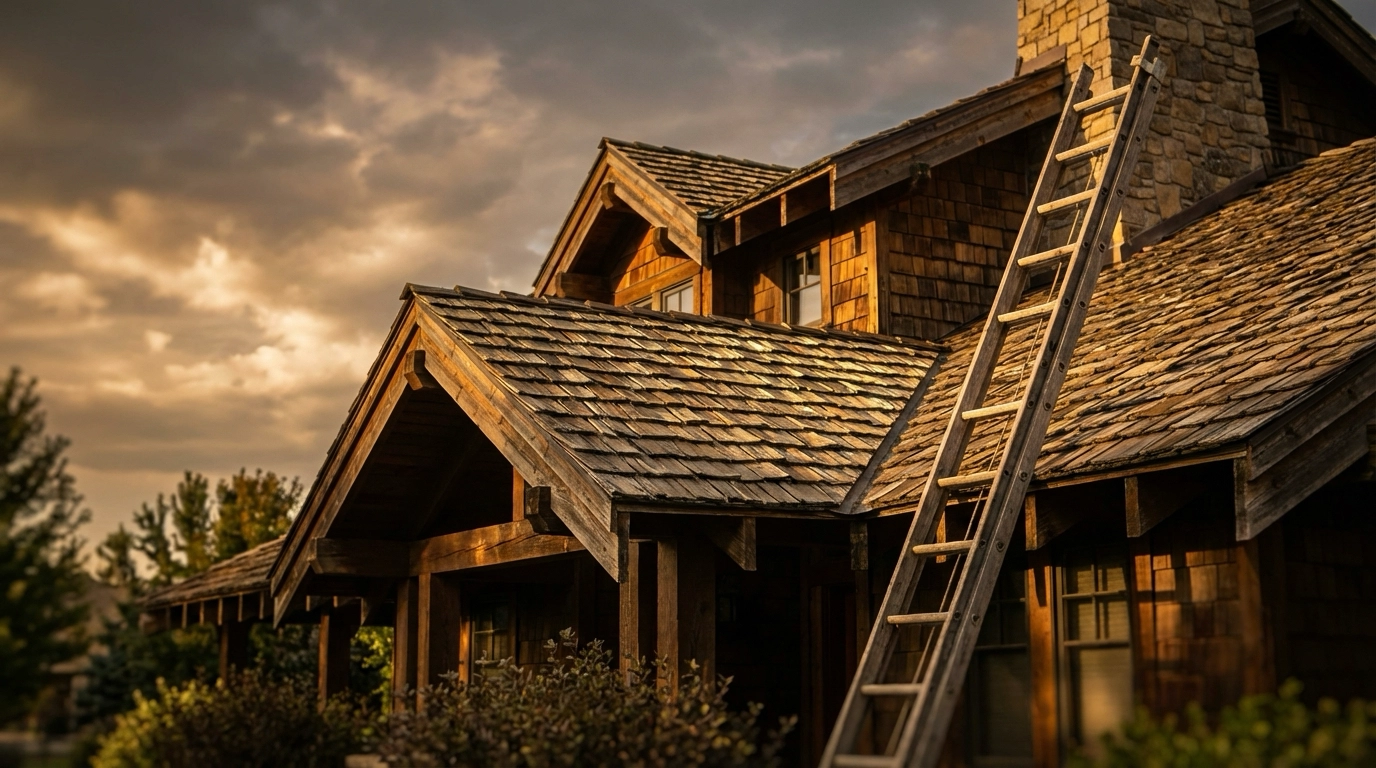
If a home in the Treasure Valley has an expired roof certification, it can create challenges for both buyers and sellers. Lenders may require a new certification or repairs before approving a loan, and insurance companies may limit coverage or refuse a policy until the roof’s condition is verified.
Summary:
Sellers face the choice of repairing, replacing, or offering a credit to address the issue, while buyers must carefully assess risks and potential costs. Understanding how roof certifications affect insurance approval, lender requirements, and negotiations is essential to ensure a smooth transaction in the Treasure Valley real estate market.
What Is a Roof Certification—and Why It Matters
A roof certification is a professional assessment, typically issued by a licensed roofing contractor, stating the roof’s condition and estimating its remaining useful life—often 2 to 5 years.
Lenders and insurers rely heavily on this document. While a home inspection provides a general overview, a roof certification delivers targeted assurance. Therefore, when a certification has expired, it signals uncertainty rather than immediate failure.
In the context of expired roof certification Treasure Valley Idaho, this uncertainty can trigger deeper scrutiny. Buyers may feel confident after an inspection; however, underwriting guidelines often demand stricter standards. Consequently, what “passes” for a buyer may not pass for financing or insurance.
How Insurance Companies Evaluate Roof Condition
Insurance providers are, first and foremost, risk managers. As a result, roofs nearing the end of their lifespan represent a heightened liability.
When reviewing a property in Eagle Idaho, insurers typically assess:
- Age of the roof
- Material type (asphalt, tile, metal)
- Visible wear or prior damage
- Certification status
If a roof certification is expired—or missing entirely—insurers may:
- Deny coverage outright
- Offer limited or conditional coverage
- Require replacement before issuing a policy
Moreover, some carriers impose strict age limits. For instance, an asphalt shingle roof over 20 years old may automatically raise red flags. Consequently, even well-maintained roofs can face rejection without updated documentation.
This becomes especially relevant for buyers exploring homes for sale in Eagle Idaho, where architectural diversity means roof ages vary widely.
The Lender’s Perspective: Protecting the Asset
Lenders view the roof as a critical structural component that safeguards their investment. After all, a compromised roof can quickly lead to larger issues—water intrusion, mold, and structural deterioration.
Therefore, when a lender encounters an expired roof certification Treasure Valley Idaho, they may:
- Require a new certification
- Request repairs prior to closing
- Mandate full roof replacement
- Hold funds in escrow for post-closing work
Additionally, loan types matter. FHA and VA loans, for example, tend to enforce stricter property condition standards. According to the U.S. Department of Housing and Urban Development, properties must meet minimum safety and livability requirements, which often include roof integrity.
As a result, a deal that appears straightforward can quickly become contingent on roof-related conditions.
When a Roof “Passes” Inspection but Fails Underwriting
This is where many transactions encounter friction. A general home inspection might note “remaining life” without deeming the roof defective. However, insurers and lenders operate under different criteria.
For example:
- An inspector may estimate 3–5 years of life remaining
- An insurer may require at least 5 years for approval
- A lender may require certification confirming durability
Consequently, a discrepancy emerges. Buyers feel reassured, yet underwriting hesitates. This gap is particularly common in Eagle Idaho real estate, where older homes often feature roofs that are functional—but aging.
In such cases, proactive planning becomes invaluable.
Seller Options: Repair, Replace, or Offer Credits
When facing an expired roof certification Treasure Valley Idaho, sellers typically have three primary paths forward. Each carries distinct financial and strategic implications.
1. Repair the Roof
Minor repairs can sometimes extend the roof’s life enough to secure certification. For example, replacing damaged shingles or sealing vulnerable areas may satisfy a roofing contractor’s requirements.
However, this approach works best when the roof still has a reasonable lifespan. Otherwise, repairs may only delay the inevitable.
2. Replace the Roof
Although more costly upfront, a full replacement can significantly enhance marketability.
Benefits include:
- Smoother insurance approval
- Stronger buyer confidence
- Potentially higher sale price
In competitive segments of Eagle ID homes for sale, a new roof can become a compelling differentiator. Moreover, it eliminates negotiation hurdles tied to condition concerns.
3. Offer a Buyer Credit
Alternatively, sellers may choose to provide a credit at closing. This allows buyers to handle replacement after purchase.
While flexible, this strategy has limitations:
- Lenders may cap allowable credits
- Insurance may still require replacement before closing
- Buyers may perceive added risk
Therefore, credits work best when aligned with lender and insurer guidelines.
Buyer Strategies: Protecting Your Investment
Buyers navigating expired roof certification Treasure Valley Idaho scenarios should approach the process with both diligence and flexibility.
Key steps include:
- Requesting a new roof certification early
- Consulting insurance providers before finalizing terms
- Negotiating repairs or credits based on documented findings
- Factoring replacement costs into overall budget
Additionally, reviewing insights from the National Association of Realtors can help buyers understand how property condition impacts financing and negotiations.
In many cases, the goal is not to avoid the property—but to structure the deal intelligently.
The Role of Local Expertise in Eagle and Boise
Real estate in the Treasure Valley is nuanced. From best neighborhood in Eagle to rural properties on the outskirts of Boise, housing stock varies significantly.
Working with a top realtor in Eagle ensures that roof certification issues are addressed proactively rather than reactively.
An experienced Eagle ID realtor can:
- Anticipate lender and insurer concerns
- Recommend trusted roofing professionals
- Structure offers to mitigate risk
- Navigate negotiations with precision
Moreover, leveraging local data from sources like the U.S. Census Bureau and regional market insights helps contextualize property condition within broader trends.
For those moving to Idaho, this guidance becomes even more valuable, especially when unfamiliar with local building practices and climate impacts on roofing.
Timing Matters: Addressing Roof Issues Before Listing
For sellers, timing can make all the difference. Addressing roof certification concerns before listing a property often leads to smoother transactions.
Pre-listing strategies include:
- Obtaining a current roof certification
- Completing necessary repairs
- Disclosing roof age and condition transparently
This proactive approach not only reduces surprises but also strengthens buyer trust. In the competitive landscape of Eagle Idaho homes for sale, transparency can accelerate offers and minimize contingencies.
Additionally, early action prevents last-minute renegotiations that can derail closing timelines.
Market Impact: How Roof Condition Influences Value
Roof condition directly affects perceived and appraised value. While a home with an aging roof may still attract interest, buyers often adjust their offers accordingly.
For instance:
- A newer roof may justify premium pricing
- An expired certification may lead to price reductions
- Uncertainty can deter some buyers entirely
In Eagle Idaho neighborhood markets where curb appeal and condition matter, roofing becomes more than a structural element—it becomes a value driver.
Consequently, aligning roof condition with market expectations is essential for both buyers and sellers.
FAQs
What does an expired roof certification mean for a home sale?
An expired certification indicates that the previous assessment is no longer valid. While it doesn’t automatically mean the roof is failing, it creates uncertainty for lenders and insurers, often requiring a new evaluation before closing.
Can a buyer get insurance with an older roof in Eagle Idaho?
Yes, but it depends on the insurer’s guidelines. Some companies may offer coverage with conditions, while others may require repairs or replacement before issuing a policy.
Should sellers replace the roof before listing?
In many cases, yes. Replacing the roof can streamline the transaction, attract more buyers, and potentially increase the home’s value. However, the decision depends on the roof’s current condition and market dynamics.
How do lenders handle roof issues during underwriting?
Lenders may request a new certification, require repairs, or condition the loan on roof replacement. Requirements vary based on loan type and the severity of the issue.
How can Chris Budka Real Estate help with roof-related concerns?
Chris Budka Real Estate provides expert guidance, connects clients with trusted contractors, and structures transactions to address roof certification challenges efficiently.
Bottomline
An expired roof certification Treasure Valley Idaho situation doesn’t have to derail a real estate transaction—but it does require strategic handling. Buyers must balance opportunity with due diligence, while sellers should weigh the benefits of proactive repairs or replacement.
Ultimately, clarity and preparation are the keys to success. With the right guidance and a thoughtful approach, even complex roofing concerns can be resolved, allowing buyers and sellers to move forward with confidence in the Treasure Valley market.


