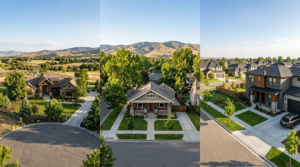



How much does it cost to sell a house in Eagle Idaho?
Expect 7–10% of your sale price in Eagle Idaho in 2026. That covers a negotiated 5–6% commission, title and escrow, and prep. Seller credits or rate buy-downs can add 0–3% depending on your strategy.
Why This Matters Right Now
You are selling in one of the Boise Idaho metro’s higher-end submarkets, where presentation, pricing, and incentives directly shape your net. A recent Ada County report showed Eagle’s monthly median sales price hitting about one million, up roughly 29% year over year in that snapshot, while countywide medians were around the mid‑$500,000s. Altos Research shows a Market Action Index near the low 30s, a slight seller’s advantage, with active-market medians around 46 days on market and inventory in the low to mid‑300s. Citywide datasets indicate most homes close below list, with typical sale‑to‑list results near 98%. Your timing, your pricing, and your willingness to prep or offer a credit will decide whether you pay closer to 7% or 10% in total costs and how fast you convert your equity in Eagle Idaho real estate.
What You Need to Know Before Estimating Costs in Eagle Idaho
You should build a cost plan that fits Eagle’s luxury‑leaning profile and the realities of Idaho living. Start with negotiable brokerage commissions, which historically cluster in the 5–6% range in full‑service scenarios, but are not fixed in Idaho. According to the Idaho Real Estate Commission, commissions are always negotiable. Title and escrow are customary in Ada County sales, with an owner’s title policy often a seller expense and escrow fees typically shared. Idaho does not impose a state real estate transfer tax, so your recording charges with the Ada County Recorder are usually nominal.
Staging and pre‑market work matter more here than in many markets. The National Association of Realtors reports most buyer agents believe staging helps buyers visualize a property, and in Eagle’s higher price bands, buyers expect clean lines, polished outdoor living, and professional visuals. Budget for landscaping tune‑ups, window washing, house washing, and minor repairs to compete with new construction.
You should also plan for HOA transfer and status letter fees, and possible irrigation district prorations common in Eagle Idaho neighborhoods that use pressurized irrigation. If your property is on a well or septic, build in testing and potential pump or tank service. Finally, because many buyers consider new builds with rate buy-downs, you may choose to offer closing credits or a temporary buy-down, often 1–3% of price, instead of a price cut to protect your net.
- Commissions are negotiable in Idaho, plan generally for 5–6% if using full service.
- Title, escrow, and recording are normal seller costs, with title commonly on the seller’s side.
- Prep, staging, and outdoor presentation can be the difference between a small credit and a large price cut.
Local fee notes you should expect
- Owner’s title policy commonly 0.3–0.7% of price, subject to underwriter schedules.
- Escrow or settlement fee often hundreds of dollars per side, sometimes shared.
- Recording fees are set by statute and are usually tens of dollars, not hundreds.
How to Compare Your Selling Cost Options in Eagle Idaho
Your options range from high‑touch, full‑service listing to leaner service levels. In a market where buyers compare you against brand‑new builds with incentives, the right mix of service and concessions often costs less than a major price reduction.
Full‑service listings typically include pricing strategy, pro photography and video, staging guidance, contractor coordination, and negotiation across inspections and appraisal. Limited‑service options lower upfront costs but can raise your days on market and increase the chance you give more in concessions. If you are moving to Idaho from out of state and selling a second home here, strong coordination can be worth the fee.
Consider credits versus price cuts. A 2% closing credit on a $1,000,000 home is $20,000, which can be cheaper than a $50,000 price reduction if the credit helps the buyer close. With citywide sale‑to‑list outcomes near 98% and most homes closing under list, your goal is to minimize total give‑ups with the right positioning.
Key factors to evaluate:
- Service level versus time value: A higher‑service plan often shortens days on market and reduces inspection‑stage friction, which can net you more even after commission.
- Concessions versus price: Credits or a temporary rate buy-down can cost less than a big reduction and help you compete with builder incentives.
- Prep intensity: In Legacy Subdivision and Brookwood Subdivision, outdoor staging and light refreshes commonly return more than their cost because buyers expect move‑in readiness.
Your Step-by-Step Guide to Estimating Net Proceeds in Eagle Idaho
1) Nail your realistic sale price. Use a data‑driven comparative analysis anchored to similar Eagle ID homes, not just list prices. In higher bands, expect longer timelines, so be honest about condition and competition from new builds.
2) Choose your commission structure. Commissions are negotiable. Model both 5% and 6% full‑service scenarios and any alternatives you are considering so you can see your net in each path.
3) Estimate title and escrow. Use a title company’s rate schedule to price the owner’s policy and escrow fee. In Ada County, it is common for the seller to pay the owner’s policy and share escrow.
4) Budget for prep. Line item staging, deep cleaning, window and house washing, landscaping, minor carpentry or paint, and professional photography. In luxury segments, this can be a few thousand dollars and often pays back.
5) Decide on strategic incentives. If you expect buyer financing, model a 1–3% closing credit or temporary buy-down and compare that to the likely discount from waiting or reducing.
6) Add prorations and fees. Include HOA transfer and status letter fees, irrigation or special assessments, property tax proration based on the closing date, and any remaining utility balances.
7) Include payoff items. Add your mortgage and HELOC payoffs, any reconveyance or lien release fees, and potential prepayment items if applicable.
8) Plan for tax outcomes. The IRS allows primary residence gain exclusions up to $250,000 single or $500,000 married if you meet ownership and use tests. If your gain may exceed that, talk to a CPA before you list.
9) Build a net sheet. Put price at the top, subtract line items, and arrive at a conservative and an optimistic net so you know your range.
10) Revisit timing. Align your list date with the Eagle Idaho real estate rhythm, and coordinate your move if you are buying another home in Boise Idaho or elsewhere.
What This Looks Like in Eagle Idaho
Eagle is an affluent, primarily owner‑occupied city along the Boise River with newer, custom homes and strong amenities. Altos Research recently showed active inventory in the 300s, a median list around the seven‑figure mark, and a Market Action Index near 32, which signals modest seller leverage. Higher‑end properties often take 45–68 days to secure a contract, which is normal for this segment.
In Legacy Subdivision, where lakes, pathways, and community amenities attract lifestyle buyers focused on Boise living, presentation of outdoor spaces can influence concessions. You may spend $2,500–$6,000 on staging and exterior refresh to avoid a much larger price cut. In Brookwood Subdivision, mature landscaping and classic curb appeal reward pre‑inspection and targeted touch‑ups to keep negotiations tight. Citywide data indicates most sales close slightly under list, so your goal is to market above the crowd and reduce inspection credits.
Example scenario on a $1,200,000 sale:
- Commission modeled at 5.5%: $66,000
- Owner’s title and escrow: about 0.4–0.6% overall, say $6,000
- Prep and staging: $3,500
- HOA transfer and status letter: $300
- Recording and misc: $150
- Optional 2% buyer credit to match new‑build incentives: $24,000
- Estimated total selling costs: roughly $99,950 without a credit, or $123,950 with a 2% credit
Actual numbers will vary by your property, offers, and timing.
What Most People Get Wrong When Budgeting to Sell in Eagle Idaho
You might assume price alone drives your net when the real swing factor is strategy. Many sellers underfund staging and yard work, then give 2–3% back in inspection items that better prep would have eliminated. Others believe offering no credits is “holding firm,” yet in a market where buyers compare you to builder buy-downs, a targeted credit can beat a price cut in net terms. Another common mistake is relying on list‑price medians rather than sale‑to‑list performance. With most homes closing under list and a median days‑to‑pending around the mid‑40s, realistic pricing gets you to a cleaner, faster close with fewer concessions. Finally, some sellers forget that Idaho has no transfer tax, so they over‑budget that line, and under‑budget for HOA and irrigation items that commonly appear in Eagle.
Frequently Asked Questions
What are typical total costs to sell in Eagle Idaho in 2026?
Plan on 7–10% of the sale price for commissions, title, escrow, recording, prep, and routine fees. If you offer buyer credits or a rate buy-down, add 1–3%. Luxury listings with heavier staging can run slightly higher.
Is there a transfer tax when selling a home in Eagle?
No. Idaho does not impose a state real estate transfer tax. You should still plan for Ada County recording fees, which are usually modest, along with title and escrow charges that scale with price.
Who pays for title and escrow in Eagle Idaho?
It is common for the seller to pay for the owner’s title insurance policy, while escrow or settlement fees are often split. Customs can vary by contract, so review your purchase and sale agreement and your title quote.
How much should you budget for staging in Eagle’s higher‑end homes?
Partial staging for occupied homes often runs $800–$3,000, while full staging for a vacant luxury property can reach $3,000–$8,000 or more for the first month. Focus on curb appeal, main living areas, and outdoor spaces.
Should you offer a closing credit or a rate buy-down to buyers?
If you face new construction competition with incentives, a 1–3% credit or a temporary buy-down can be cheaper than a larger price cut. Model both options so you can see which protects your net while helping the buyer close.
How long will it take to sell in Eagle in 2026?
Citywide indicators show median times to contract in the mid‑40‑day range, with luxury segments seeing 45–68 days as normal. Well‑prepared homes in polished condition often sell faster and with fewer concessions.
Are HOA transfer fees common in Eagle Idaho neighborhoods?
Yes. Many Eagle Idaho neighborhoods, including Legacy Subdivision and Brookwood Subdivision, have HOA transfer and status letter fees. Also plan for irrigation assessments or prorations if your subdivision has pressurized irrigation.
How do costs differ between Legacy and Brookwood?
Costs follow the same categories, but the emphasis differs. In Legacy, outdoor and water‑adjacent amenities make exterior staging and lakefront maintenance a priority. In Brookwood, mature landscaping and curb appeal tune‑ups can drive better negotiation outcomes.
Will you owe capital gains taxes when you sell in Eagle?
If the property is your primary residence and you meet IRS ownership and use tests, you may exclude up to $250,000 of gain if single or $500,000 if married filing jointly. If your gain may exceed that, consult a CPA before listing.
What if you are selling a rental or moving to Idaho and planning a 1031 exchange?
Investment property sales may be eligible for a 1031 exchange with a qualified intermediary. There are strict timelines and identification rules that add costs and complexity. Speak with a tax professional and intermediary early.
The Bottom Line
You should expect 7–10% of your sale price as the baseline cost to sell in Eagle Idaho, with 5–6% of that typically tied to a negotiated commission and the balance covering title, escrow, recording, HOA, prep, and routine items. In this luxury‑tilted market, strong prep and smart incentives often save you more than they cost, especially when buyers compare your home to new builds with credits and buy-downs. Price realistically, present beautifully, and model both a no‑credit and a modest‑credit scenario so you know your likely net. That is how you protect your equity while aligning with today’s Eagle Idaho real estate dynamics.
If you are ready to explore your options for how much it costs to sell a house in Eagle Idaho, Chris Budka at Chris Budka Real Estate can walk you through the specifics for your situation. Sellers like John and Sarah have seen swift sales and multiple offers when they paired careful prep with data‑driven pricing, and you can too.
 (208)745-2895 Chris Budka, Designated Broker / Realtor®, Chris Budka Real Estate, License #AB49577 Office: 408 S Eagle Rd, Suite 205, Eagle, ID 83616
Commissions are negotiable and there is no standard or fixed commission in Idaho. Information here is general and provided for educational purposes. You should consult your attorney, CPA, lender, and title company for advice on your specific circumstances. Equal Housing Opportunity.
Your home, your future, and your plan deserve a personalized, data‑driven approach. When buyers search for Eagle ID homes for sale, for homes for sale in Eagle Idaho, or even the best real estate agent in Boise, your property should stand out for the right reasons. That is the path to confident results in Eagle and across the Boise Idaho metro.